How-tos
Receiving Discrepancies in a 3PL: What to Do
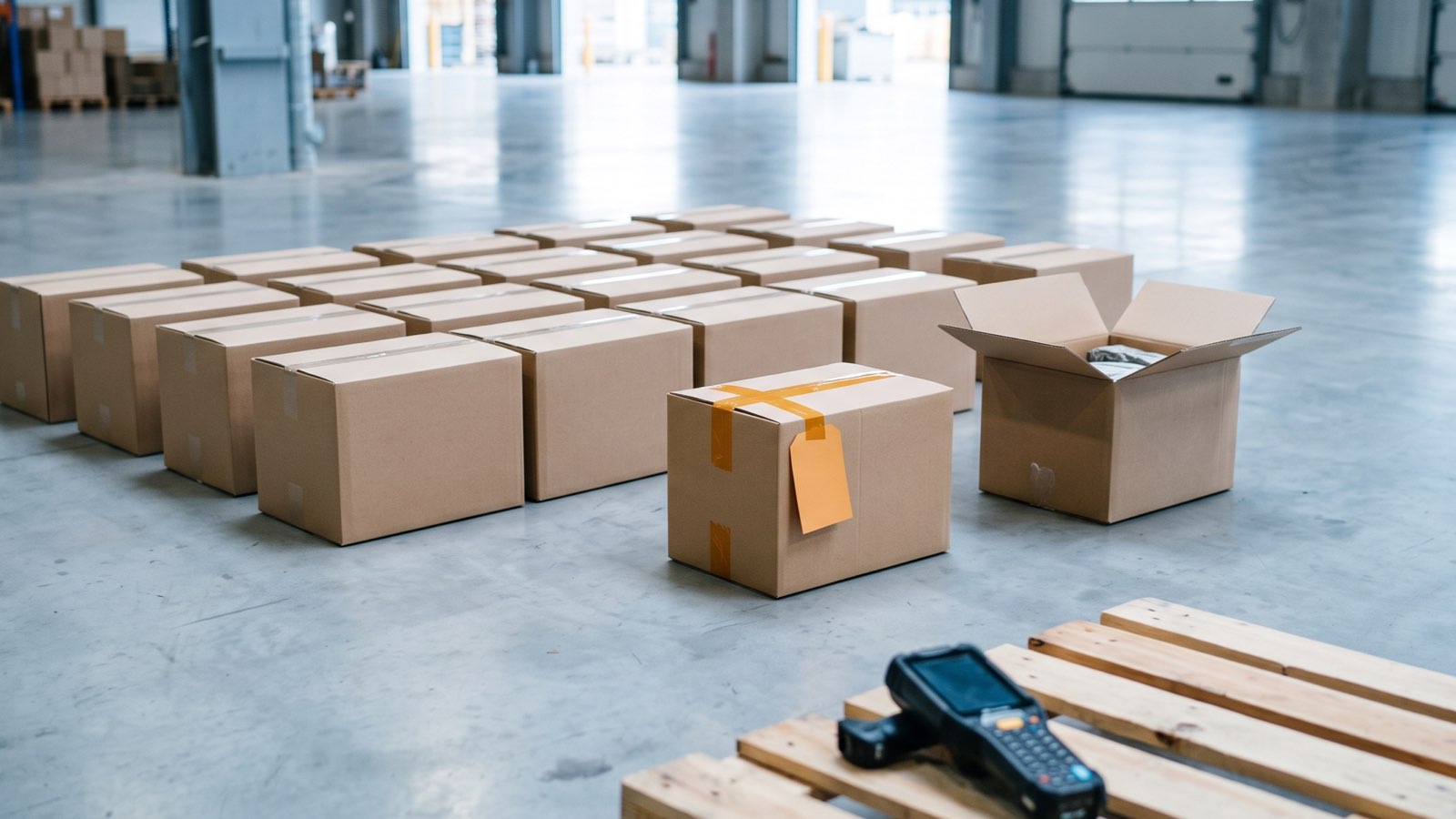
Forty cartons expected, thirty eight counted. How to handle a receiving discrepancy at the dock, what to record, and what to tell the client the same day.
How-tos
A lot number tells you which batch a unit came from. A serial number tells you which single unit it is. Most 3PL clients need neither. A few need one, and a small number need both, and the difference decides how much scanning your team does all day.
A lot number (also called a batch number) is a code shared by every unit made or received together. Forty cartons of the same shampoo from one production run carry one lot code. If the maker finds a problem with that run, the lot is how you find every carton affected.
A serial number is unique to one unit. A router, a power drill or a pair of headphones might each carry its own. Serials matter when a single item has to be traced: for a warranty claim, a repair, a theft report or a return.
A product can have both. A tub of protein powder has a lot and an expiry date but no serial. A laptop has a serial and usually no lot. A medical device may have a serial and a lot on the same label.
If you want the short definitions next to the other warehouse terms, the WMS for 3PL glossary has them.
Lot tracking tends to come up when a product can go bad, be recalled, or vary between production runs. Typical cases:
Whether a rule or regulation applies to a particular product is for the client to say, and for you to confirm with them in writing. Do not guess on the client's behalf.
Serial tracking comes up for items that are worth enough to follow one by one, or that carry a warranty:
With serials, the 3PL usually has to record which serial left on which order, so the client can answer "which unit did this customer get?" later.
Lot tracking is often paired with an expiry date stored against the lot. That lets the system pick first expired, first out (FEFO) instead of first in, first out. The oldest arrival is not always the first to expire, so a plain first-in rule can leave short-dated stock sitting at the back of the rack.
For FEFO to work, three things have to be true:
You can also set a minimum remaining shelf life per client, for example "do not ship anything with less than a set number of days left". That is a client decision, and it should be in the agreement.
This is the part that gets forgotten when a client asks for tracking in a sales call.
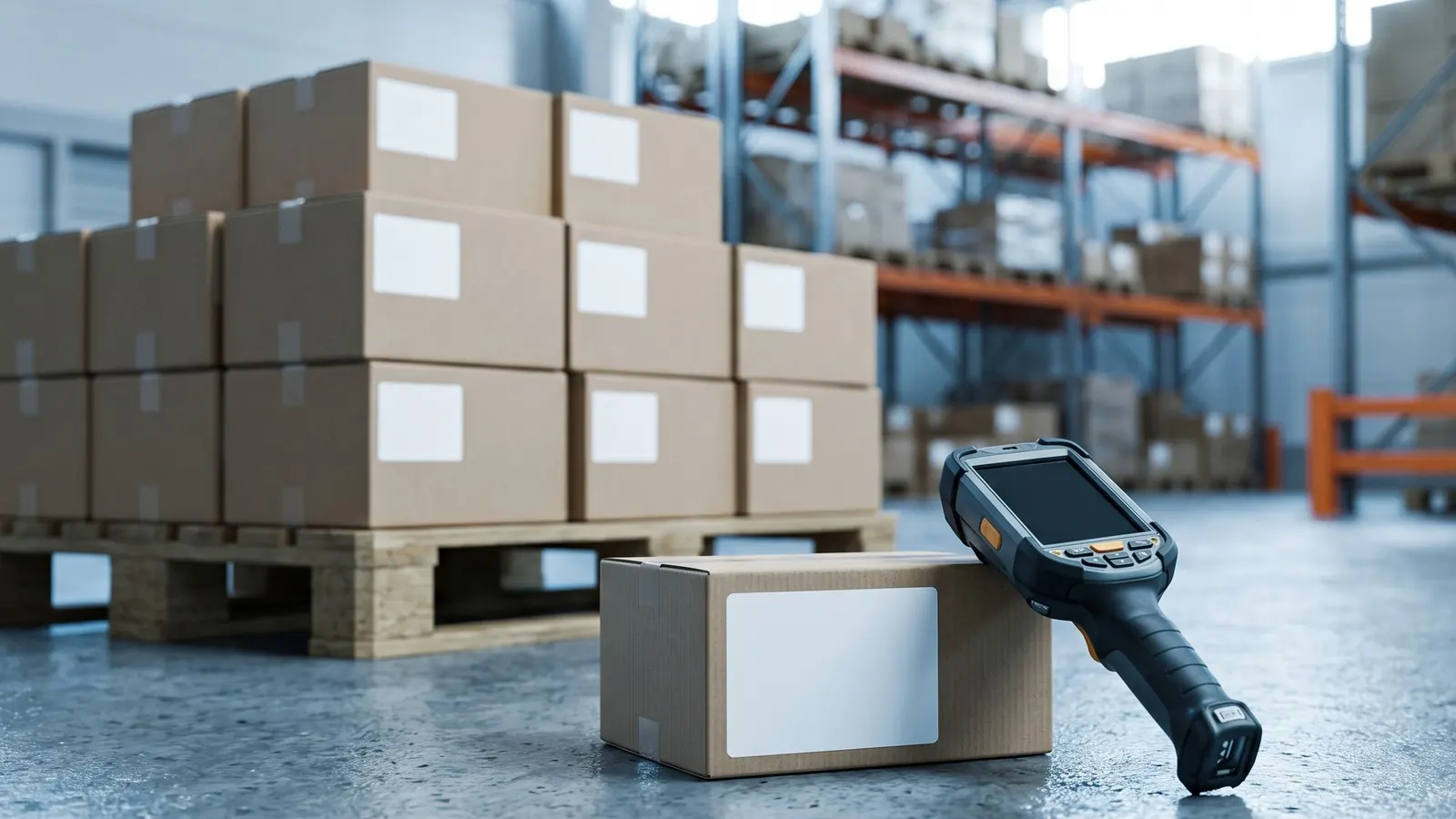
At receiving. Each line needs a lot code, and maybe an expiry date, scanned or typed. A pallet of mixed lots has to be split and counted by lot. A receiver reading a blurry carton label can lose minutes per pallet.
At putaway. Different lots of the same SKU need to be recorded separately, which may mean separate locations.
At picking. The picker confirms the lot, or the system picks the lot for them. A serial-tracked item means one scan per unit instead of one per carton.
At packing. For serials, every unit in the box is scanned and linked to the order.
At billing. The extra labour is real. If tracking adds time on every receipt and pick, your price list should say so. Billing detail belongs to a different page, but do not agree to tracking at the same rate as untracked stock without thinking about it.
Write the answers down. A line like "client A: lot and expiry on SKUs 100 to 140, no serials" is better than a memory.
Imagine, with invented numbers, that a client tells you lot K7 of one SKU has a problem. You need three answers quickly: how many units of K7 are still on your shelves, how many went out and to whom, and what is on its way. If your system stores lot against stock and against shipped lines, that is a search. If it does not, it is a day with spreadsheets and pick tickets.
Test this before you need it. Ask your system, or a vendor you are considering, to show it for one lot from receipt to shipped orders. A discrepancy at receiving is also easier to untangle when lots were captured at the dock, because you know which lot was short.
Start narrow. Track what a client needs, prove you can trace it end to end, and add more only when someone asks and pays for it.
A lot number is shared by every unit made or received together, so it traces a batch. A serial number is unique to one unit, so it traces that single item.
No. Track them only for clients whose products need it, and agree it in writing before the first delivery. Tracking costs scan time on every receipt and every pick.
First expired, first out. Stock with the earliest expiry date is picked first, whatever order it arrived in. It needs an expiry date stored against each lot.
The lot code and, if it matters, the expiry date for every line on the advance notice, printed on the cartons where the receiver can read it.
How-tos
Forty cartons expected, thirty eight counted. How to handle a receiving discrepancy at the dock, what to record, and what to tell the client the same day.
Mix-ups
Four terms that get used for the same building. Who owns the stock, who decides, and how each one is usually paid, with a small table to keep next to your sales notes.
Guides
A 3PL has many clients on one floor, and that changes what you need from warehouse management software. A twelve point checklist to take to every demo.